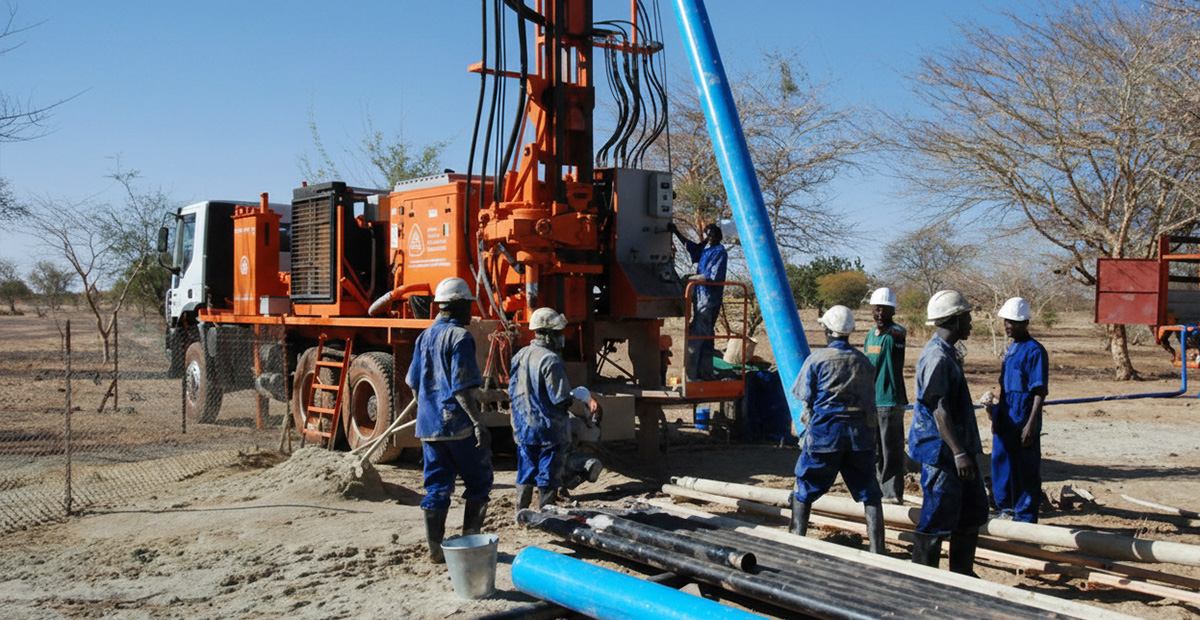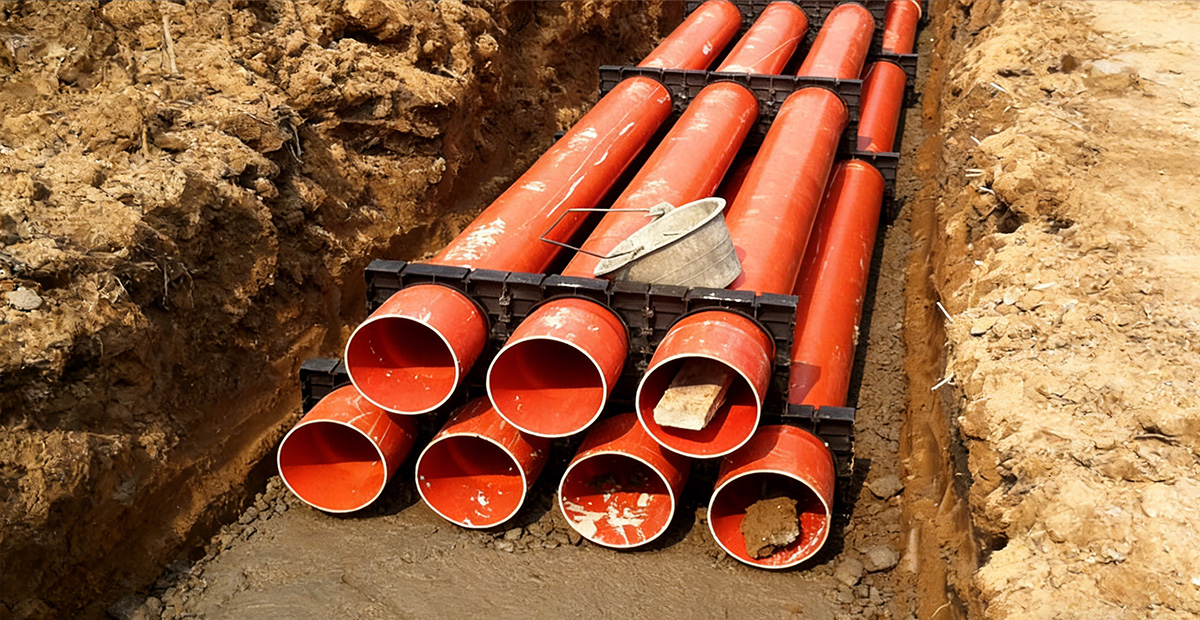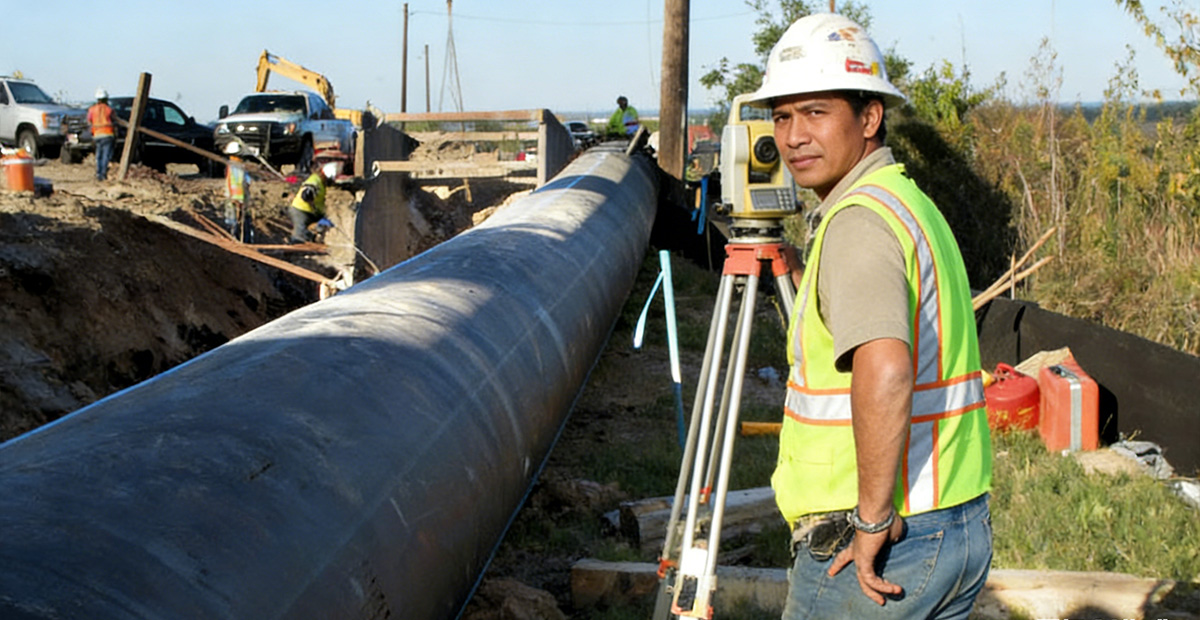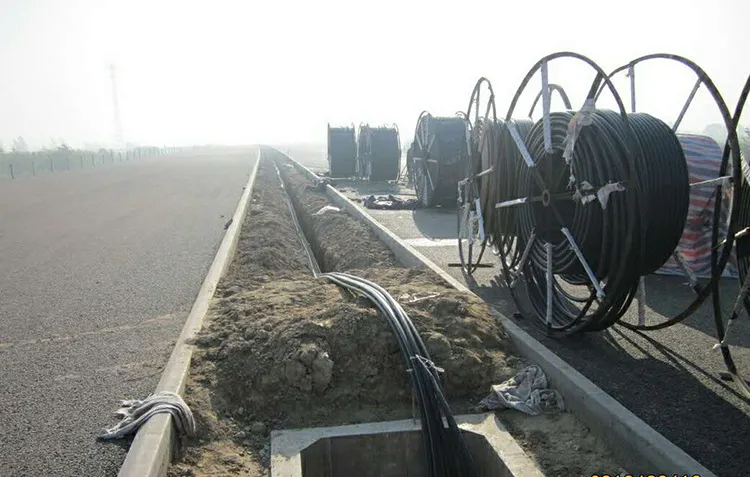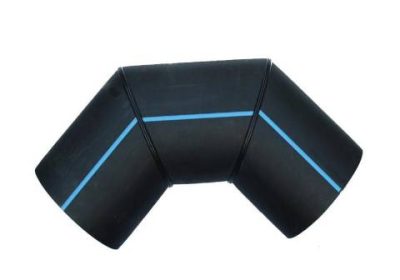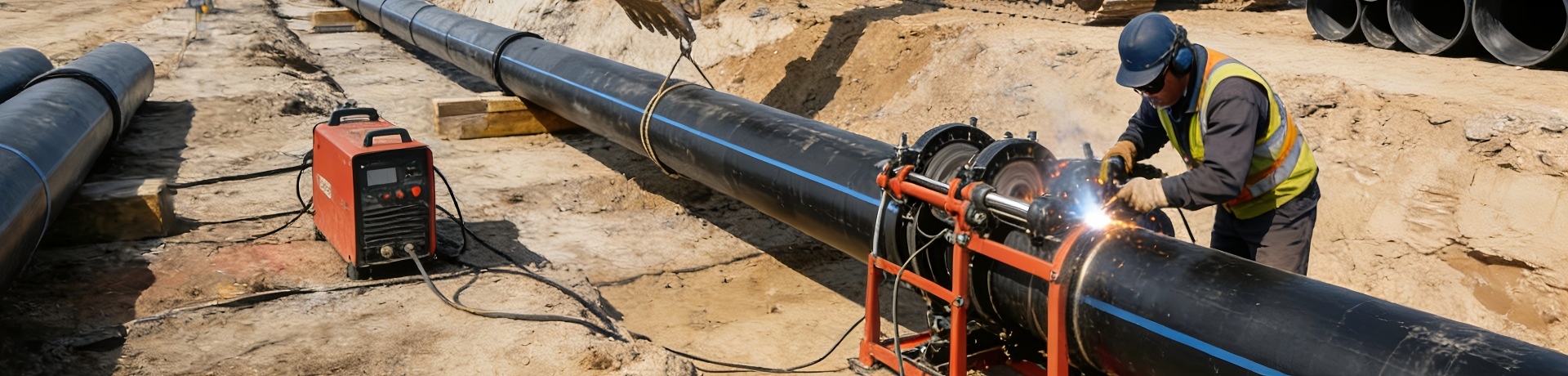


The project aimed to improve water access for small and medium-scale farms in Kenya, where seasonal rainfall variability often limits crop productivity. The irrigation system was designed to distribute water from shared pumping stations to multiple farming zones.
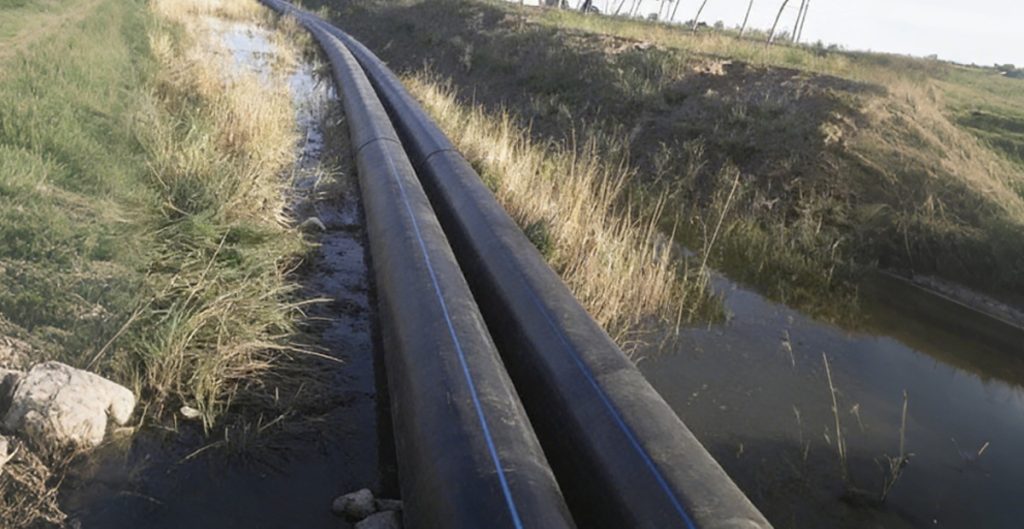
Location: Kenya
Project Period: July 2021 – April 2022
Application: Agricultural Irrigation System
Client: Regional Agricultural Development Program & Local Contractor
Products Supplied:
- HDPE Pipes for Irrigation (OD 63–315 mm, PN6 / PN10)
- LDPE Irrigation Pipes
- Injection-Molded HDPE Fittings
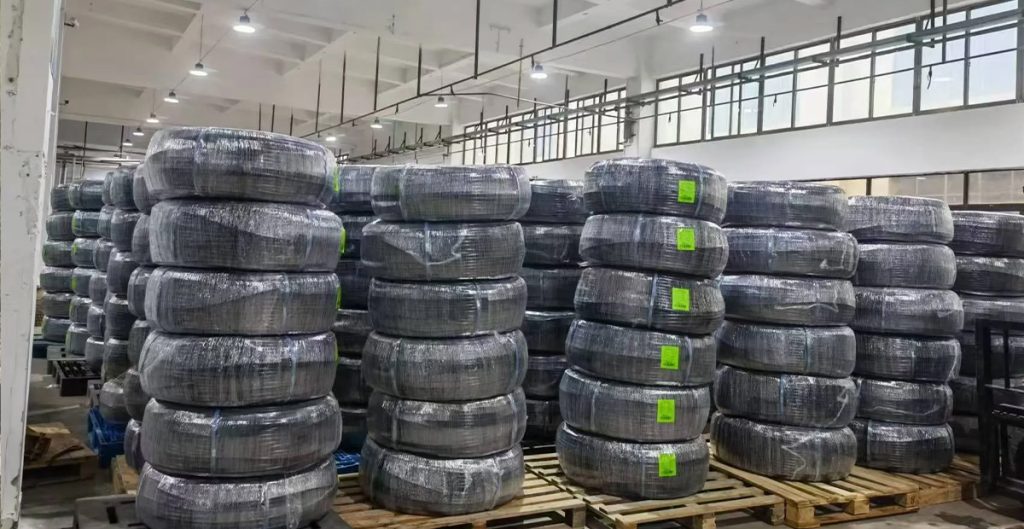
EXLON PIPE provided a complete piping solution tailored to the project’s operating pressure and terrain conditions. Pipe dimensions and pressure classes were selected to balance durability and cost efficiency. OEM labeling was applied to support the contractor’s local project documentation requirements.
Stable production capacity allowed EXLON PIPE to supply the full order within the planned timeline, helping the contractor avoid delays during peak installation periods. Packaging was optimized for container loading and inland transport to remote areas.
The installed HDPE and LDPE pipeline system offered flexibility for uneven terrain and simplified future extensions. Following completion, the irrigation network enabled more consistent water distribution, contributing to improved crop yields and more reliable agricultural operations for local farmers.
The irrigation pipeline layout was designed to follow existing farmland boundaries, reducing land disturbance and simplifying coordination with local farmers. The flexibility of the HDPE and LDPE pipes allowed for efficient installation across uneven terrain and gentle elevation changes without the need for excessive fittings.
After commissioning, the system provided stable water delivery during both normal operation and peak irrigation periods. The improved distribution efficiency helped reduce water loss along the network and supported more predictable irrigation schedules. Local operators noted that the piping system required minimal routine intervention, contributing to lower operating and maintenance effort over time.