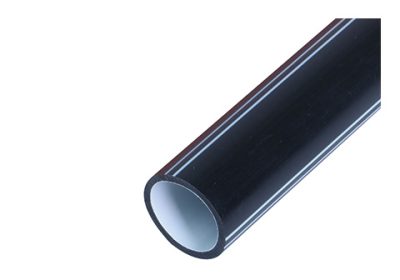
Industrial Grade HDPE Electrofusion Fittings (SDR11 PN16)
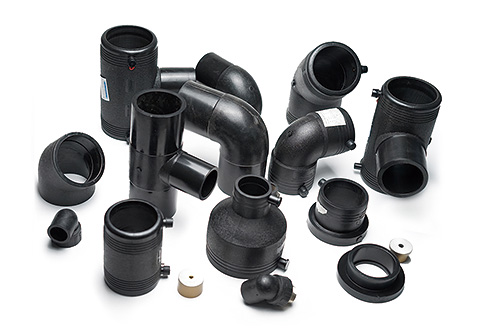
These HDPE Electrofusion Fittings serve as critical connection nodes in high-pressure piping systems, specifically engineered for the safe transport of potable water, natural gas, and industrial fluids. By utilizing embedded heating coils to achieve molecular fusion, these fittings eliminate traditional mechanical leak paths in municipal infrastructure and industrial process piping.
Description
- Precision Electrofusion Welding Technology The integrated heating elements are positioned to provide uniform thermal distribution during the fusion process, creating a leak-free joint where the interface strength exceeds that of the pipe itself. This homogenous bond is essential for gas pipe connections and high-pressure water mains (PN16), significantly lowering the risk of hazardous leaks and the associated costs of emergency repairs.
- Exceptional Ductility and 500% Elongation at Break The inherent high toughness of the PE100 material allows for an elongation at break exceeding 500%, enabling the pipe system to adapt to uneven soil settlement or seismic shifts. This flexibility prevents brittle fractures at connection points, a critical advantage for underground HDPE gas pipe networks in regions prone to geological movement.
- Compliance with EN 12201 and EN 1555 Standards Every fitting is manufactured in accordance with EN 12201-3:2011 (Water) and EN 1555-3:2010 (Gas) standards, supported by ISO9001-2008 and CE certifications. This rigorous adherence to international engineering codes ensures that the components meet the stringent safety requirements of government-funded infrastructure projects and international industrial bids.
- Inert Chemical and Corrosion Resistance As an electro-chemically inert material, these polyethylene pipe fittings do not rust, pit, or support biological growth, even when buried in acidic soils or transporting aggressive industrial media. This chemical resistance eliminates the need for expensive cathodic protection or external coatings, substantially reducing the total system cost and maintenance overhead.
- Low Friction Internal Bore and Scale Resistance The extremely smooth internal wall surfaces minimize hydraulic friction and prevent the accumulation of scale or dirt over time. This maintenance of the hydraulic profile ensures consistent flow rates in wastewater discharge and agricultural irrigation, lowering the energy consumption required for pumping throughout the life of the system.
- Rapid Installation and Site Efficiency The electrofusion process allows for fast, automated installation with minimal manual intervention compared to traditional butt fusion or mechanical coupling. This efficiency reduces onsite labor hours and system downtime, allowing engineering contractors to meet tight project deadlines while maintaining high-quality installation standards for 50mm to 630mm pipelines.
Scope of application
- Municipal Natural Gas Distribution NetworksIn urban and rural energy infrastructure, these fittings are utilized for the primary and secondary distribution of natural gas. Following the EN 1555-3:2010 standard, they provide the essential molecular fusion required to prevent hazardous methane leakage. The electrofusion process is the preferred connection method here because it maintains system integrity under fluctuating gas pressures, ensuring a safe, maintenance-free connection for underground gas pipe networks with a service life exceeding 50 years.
- Potable Water Supply and Main Grid ConstructionFor municipal water engineering, PE100 electrofusion fittings are deployed in high-pressure water mains and urban distribution grids. Certified to EN 12201-3:2011, these non-toxic and scale-resistant components ensure that drinking water remains uncontaminated during transport. The PN16 pressure rating makes them suitable for handling water hammer and surge pressures common in municipal pumping stations, providing a reliable alternative to traditional ductile iron or steel pipe systems.
- Industrial Process and Chemical Fluid TransportationIn chemical processing plants, these fittings are used to transport a variety of industrial fluids, including weak acids, alkalis, and corrosive chemicals. The high-density polyethylene material is chemically inert, making it ideal for the conveyance of industrial raw materials in sectors such as pharmaceutical, paper, and light industry. The leak-free joints created by electrofusion are vital in these settings to prevent environmental contamination and protect sensitive facility equipment from corrosive leaks.
- Mining Slurry and Ore Transport SystemsWithin mining operations, these fittings are integrated into pipelines used for the hydraulic transport of minerals, ores, and tailings. The excellent wear resistance and low wall friction coefficient of HDPE reduce the abrasive impact of solid particles in the slurry. These polyethylene pipe fittings can withstand the aggressive mechanical wear of abrasive media, ensuring the structural stability of the piping system even in high-vibration mining environments.
- Landfill Leachate Collection and ManagementFor environmental engineering projects, these fittings are applied in the construction of landfill leachate collection systems. The fittings must withstand prolonged exposure to complex chemical cocktails and biological decomposition byproducts. The corrosion resistance of our SDR11 HDPE fittings ensures that the collection system remains intact under the high mechanical loads and chemical stresses typical of subterranean landfill environments, preventing hazardous runoff into local groundwater.
- Agricultural Irrigation and Landscaping NetworksIn large-scale agricultural irrigation and landscaping, these components serve as the primary nodes for water distribution from reservoirs to field networks. The high toughness and 500% elongation at break allow the buried pipeline to adapt to soil shifting, seasonal temperature changes, and uneven settlement in rural terrain. Their resistance to UV and environmental degradation ensures a low-maintenance solution for transporting irrigation water across varied topographical elevations.
- Municipal Wastewater and Sewage DischargeThese fittings are utilized in pressurized sewage systems and municipal wastewater discharge lines. The smooth internal bore of the electrofusion coupler prevents the build-up of organic solids and dirt, maintaining consistent flow capacity and reducing the risk of blockages. By replacing traditional cement or cast iron pipes with fusion-welded HDPE, municipalities can eliminate the risk of root intrusion and groundwater infiltration into the sewage grid.
FAQ
Are these HDPE electrofusion fittings compatible with HDPE pipes from other international manufacturers? Our PE100 electrofusion fittings are manufactured to universal EN 12201 and EN 1555 standards, ensuring high compatibility with any standard-compliant HDPE pipes. To guarantee a perfect fusion, we provide specific welding parameters (voltage and fusion time) for each fitting. We recommend a compatibility test for specialized projects to ensure the molecular bond meets your local pressure safety requirements.
How do you ensure the reliability of the heating coils to prevent cold joints or fusion failure? Reliability is engineered through precision-wound, high-quality heating elements that ensure uniform thermal distribution across the fusion zone. Every electrofusion coupler undergoes strict resistance testing before leaving the factory. By maintaining consistent electrical resistance, we help contractors minimize the risk of "cold joints," ensuring that once the burial is complete, the connection remains leak-free for the 50-year design life.
Can these SDR11 PN16 fittings withstand the extreme ground temperatures found in tropical or arid regions? Yes, our HDPE material is stabilized with high-grade carbon black, providing excellent UV resistance and thermal stability. While the standard operating temperature is 20°C, these SDR11 fittings are successfully deployed in Southeast Asia and Africa, where soil temperatures fluctuate. The 500% elongation at break ensures the system absorbs thermal expansion and contraction without cracking, protecting your infrastructure against environmental stress.