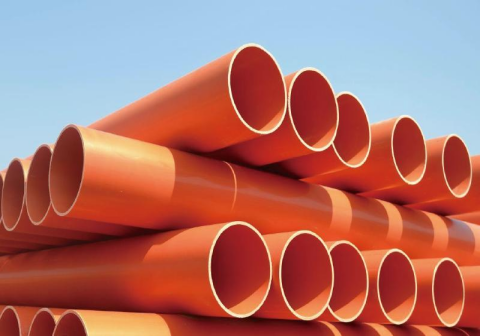
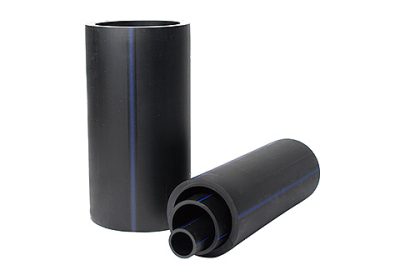
CPVC Electrical Conduit Pipe

CPVC Electrical Conduit Pipe

Material: Chlorinated polyvinyl chloride
PVC pipe Sizes: 50mm to 219mm or other on request
PVC pipe length: 4m,6m or other on request
Color: Orange or other on request
Certification: ISO9001, ISO14001
Standard: GB/T10002.1-2006 (ISO4422.1:1996); SCH40 & SCH80

Share

    Get In Touch

    Complete control over products allows us to ensure our customers receive the best quality prices and service.

    SEND EMAIL

    Description

    • Vicat Softening Temperature (> 93°C) and Thermal Stability The Chlorinated Polyvinyl Chloride (CPVC) resin features a significantly higher heat deflection threshold compared to standard PVC. During peak load periods where high-voltage cables generate substantial heat, the pipe maintains its rigid cross-section without softening or deforming. This ensures the continuous reliability of the power grid and prevents costly cable jamming or insulation failure due to conduit collapse.
    • Superior Dielectric Strength and Electrical Insulation Engineered to withstand voltages exceeding 30kV, this CPVC power cable pipe provides a high-performance insulating barrier that prevents electrical leakage and arcing. For project engineers, this high dielectric strength offers a vital safety margin in high-density utility trenches. It safeguards the surrounding infrastructure and personnel by containing electrical faults within the protected conduit.
    • Inherent Flame Retardancy and Self-Extinguishing Properties Due to its high chlorine content, the CPVC material is naturally flame retardant and will not support combustion once the external ignition source is removed. In the event of a short circuit or cable fire, the conduit acts as a fire-stop barrier rather than a fuel source. This provides critical protection for urban power systems, limiting the risk of localized faults escalating into large-scale fire disasters.
    • Comprehensive Corrosion and Chemical Resistance The polymer structure is chemically inert to acids, alkalis, salts, and other aggressive agents commonly found in industrial or coastal soils. Unlike metallic conduits, CPVC does not oxidize or pit over time, even when in contact with grease or chemical solvents. This durability ensures a 50-year service life in harsh environments, drastically reducing the Total Cost of Ownership (TCO) and maintenance requirements.
    • Hydraulically Smooth Interior for Friction Reduction The precision-extruded internal surface significantly lowers the coefficient of friction during cable pulling operations. A smooth bore prevents abrasion of the cable's outer jacket and allows for longer continuous pulls between manholes. This technical advantage reduces the need for expensive pulling lubricants and decreases the man-hours required for wire and cable installation.
    • High Strength-to-Weight Ratio for Rapid Installation With a density approximately one-sixth that of steel, these CPVC conduit pipes are easily handled on-site without heavy lifting equipment. The use of solvent cement or flexible sealing ring joints allows for rapid, leak-proof connections. The resulting installation efficiency accelerates project timelines and reduces labor costs for contractors in large-scale civil engineering projects.
    • Impact Resilience for Direct Burial Applications The modified CPVC formulation provides enhanced impact strength, allowing the pipe to absorb mechanical shocks during backfilling or localized ground movement without fracturing. This resilience protects the internal wiring from external forces and subsurface shifts. It provides long-term "peace of mind" for asset owners, ensuring the safety of the electrical circuits under varying geotechnical conditions.

    Scope of application

    • Urban High-Voltage Power Grid ModernizationIn municipal grid undergrounding projects, these pipes are primarily used for the direct burial of high-voltage cables ranging from 10kV to 220kV. Because high-voltage lines generate significant Joule heat during operation, the high heat resistance of CPVC (Vicat Softening Temperature >93°C) ensures the conduit maintains its structural integrity without softening or collapsing under peak thermal loads. This makes it a critical engineering solution for preventing cable overheating and long-term duct deformation in dense urban utility trenches.
    • Industrial & Chemical Facility Power SystemsWithin chemical processing plants and pharmaceutical industrial zones, these pipes serve as protective sleeves for power and control wiring installed in corrosive subsurface environments. These areas often contain soil contaminated with acids, alkalis, salts, or chemical solvents. The inherent chemical inertness of CPVC prevents material degradation that would otherwise expose cables to moisture or corrosive agents, while its flame-retardant properties meet the strict fire safety codes required for hazardous industrial zones.
    • Municipal Transportation & Airport InfrastructureThis product is a standard choice for underground cabling beneath airport runways, railway tracks, and highway traffic monitoring systems. These scenarios involve high-frequency dynamic traffic loads and potential uneven soil settlement. The heavy-duty SCH 40 & SCH 80 CPVC conduits provide the necessary ring stiffness and impact resilience to absorb mechanical stress, ensuring that critical power lines beneath runways or roadbeds remain protected from external crushing forces.
    • Underground Utility Tunnels & Common TrenchesIn modern "Smart City" utility tunnels (Common Trenches), CPVC pipes are utilized as dedicated distribution conduits within the power compartment. The precision-extruded smooth interior surface significantly reduces the friction coefficient during long-distance cable pulling, accelerating installation timelines. Furthermore, its superior dielectric properties ensure physical and electrical isolation between power lines and neighboring telecommunication cables, preventing electromagnetic interference or cross-fault risks.
    • Coastal Engineering & High-Salinity EnvironmentsFor power distribution in docks, port facilities, and coastal residential developments, these pipes are deployed to combat extreme salinity and high-humidity corrosion. Unlike metallic conduits that require expensive anti-corrosion coatings and frequent replacement, CPVC remains unaffected by salt spray and alkaline soil. This provides an "install and forget" solution for marine engineering, ensuring over 50 years of maintenance-free operation in high-corrosion zones.
    • Commercial & Industrial Fire Safety SystemsIn large-scale commercial complexes, data centers, and hospitals, CPVC conduits are used to route critical wiring for fire alarm and emergency security systems. Leveraging its self-extinguishing characteristics and high oxygen index, the pipe prevents the conduit system from contributing to the spread of fire. This ensures the functional integrity of emergency circuits during the crucial initial stages of a fire event, providing a vital layer of passive fire protection for high-occupancy buildings.

    Parameters

    ItemOutside Dia.(mm)Wall Thickness(mm)Length (mm)
    1φ502.56
    2φ7536
    3φ9036
    4φ9046
    5φ11046
    6φ11056
    7φ12546
    8φ12556
    9φ13946
    10φ13956
    11φ16046
    12φ16056
    13φ16066
    14φ16086
    15φ16766
    16φ16786
    17φ19266
    18φ19286
    19φ20066
    20φ20086
    21φ2198.56

    FAQ

    What are the installation advantages of using your CPVC system compared to traditional steel pipes?

    Our CPVC power cable pipe is approximately one-sixth the weight of steel, significantly reducing transportation costs and the need for heavy machinery on-site. The system utilizes simple solvent cement or flexible ring joints, which are faster and more reliable than welding. This installation efficiency allows contractors to meet tight project deadlines in developing regions while ensuring a watertight, high-strength seal for the cabling system.

    Why is the upfront cost of CPVC higher than standard PVC, and is the investment justified?

    While standard PVC is cheaper, it lacks the thermal resistance required for high-voltage loads. Our CPVC electrical conduit prevents the disastrous costs of system failures, such as pipe melting or cable short-circuits. For project managers, the slight initial premium is a strategic investment that avoids the massive expenses of excavation and replacement, providing a much lower total life-cycle cost for the utility owner.

    Why Choose EXLON PIPE?

    Backed by 25 years and 116 production lines, EXLON PIPE ensures disciplined quality and stable supply reliability.

    Certified Quality

    Certified Quality

    CE/ISO compliant

    OEM/ODM Ready

    OEM/ODM Ready

    Tailored designs

    Factory Direct Price

    Factory Direct Price

    Volume discounts

    One-Stop Solution

    One-Stop Solution

    Full fittings range

    Fast Delivery

    Fast Delivery

    Stable supply chain

    24×7 Support

    24×7 Support

    Full-Process Fast Response

    Get In Touch

    We support engineering contractors and project procurement teams with HDPE & PVC pipe solutions across Africa, the Middle East and Latin America. Let us know your project requirements and we will respond promptly.
    Related Products